One of the most common questions homeowners ask is how long a roof should last. The answer depends on several factors including the type of materials used, the quality of installation, and the weather conditions in your area.
In regions like Gastonia, Belmont, Fort Mill, Lake Norman, and the greater Charlotte area, roofs are exposed to heat, humidity, and storms that can impact their lifespan over time.
Average Lifespan of Different Roofing Materials
Not all roofing materials last the same amount of time. Understanding the expected lifespan of each option can help you plan for maintenance or replacement.
Asphalt Shingles
Asphalt shingles are the most common roofing material for residential homes.
- Typical lifespan is 20 to 25 years
- Affordable and widely used
- Performance depends on weather exposure and maintenance
Architectural Shingles
Architectural shingles are a more durable upgrade from standard asphalt shingles.
- Typical lifespan is 25 to 30 years
- Better resistance to weather conditions
- Enhanced appearance and durability
Impact Resistant Shingles
Impact resistant shingles are designed to withstand severe weather conditions.
- Lifespan can exceed 30 years
- Stronger protection against hail and storms
- Ideal for areas with frequent weather events
How Weather Affects Roof Lifespan
Weather plays a major role in how long your roof will last, especially in North Carolina and South Carolina.
Common environmental factors include:
- Heat and sun exposure that break down materials
- High humidity that can lead to moisture issues
- Heavy rain that stresses roofing systems
- Storms that cause physical damage
Homes near Lake Norman or coastal-influenced areas may experience higher moisture levels, which can reduce the lifespan of roofing materials if not properly maintained.
Signs Your Roof Is Nearing the End of Its Lifespan
Even if you are not sure how old your roof is, there are several signs that indicate it may be nearing the end of its useful life.
Look for:
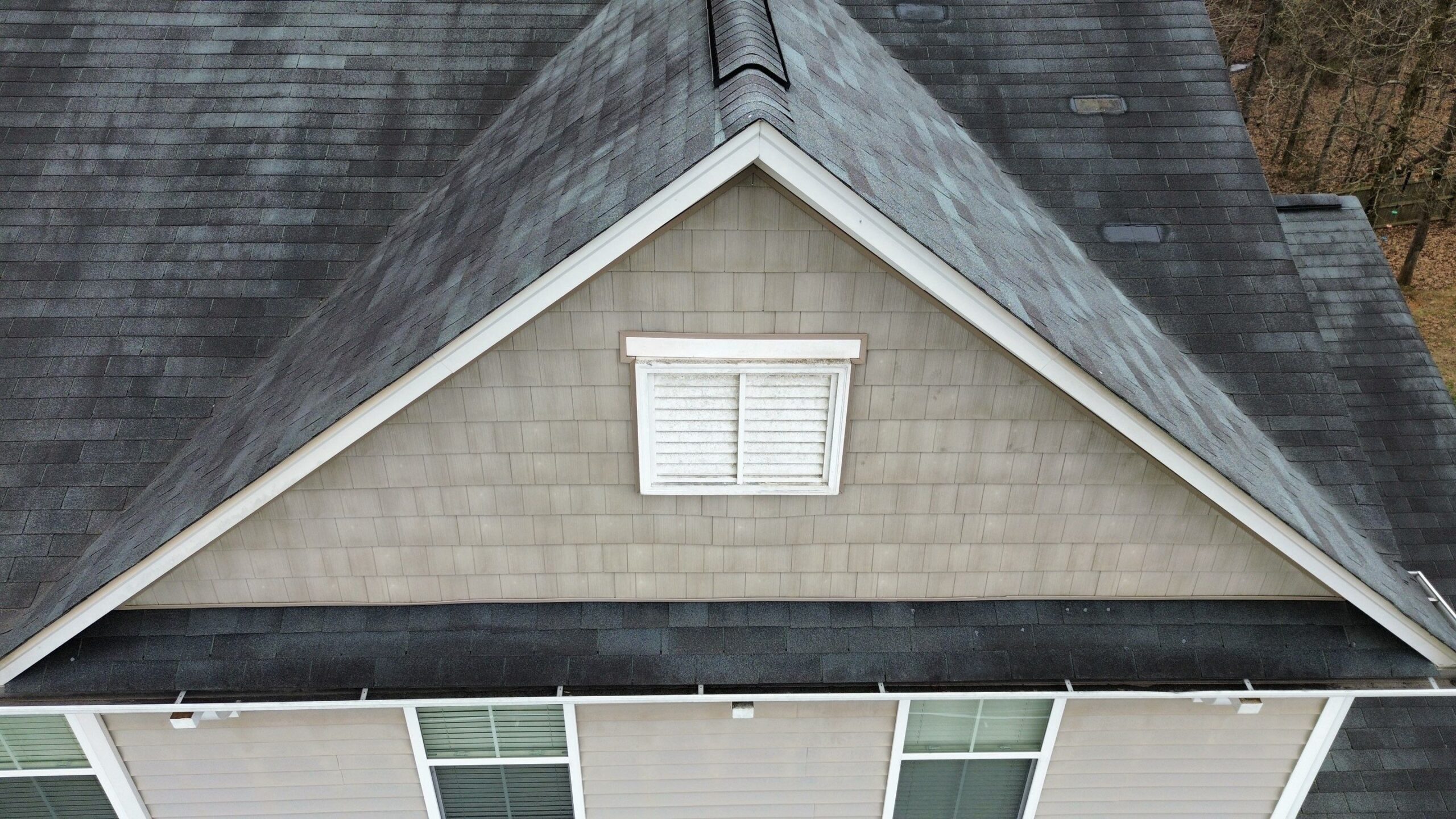
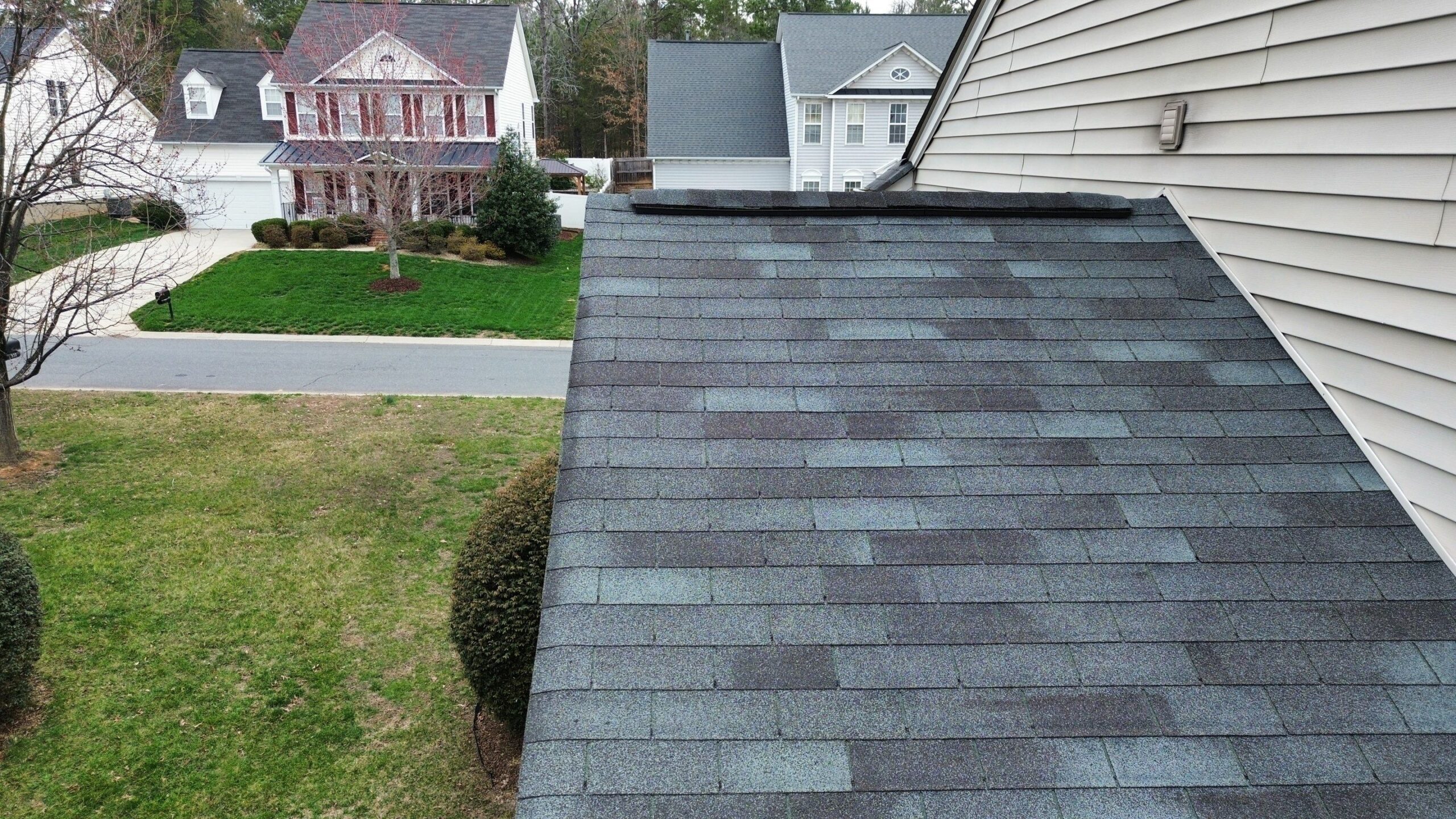
- Shingles that are curling, cracking, or missing
- Frequent leaks or water stains
- Granules collecting in gutters
- Fading or worn appearance
- Sagging areas or structural concerns
If you notice these issues, it may be time to consider a roof replacement.
How to Extend the Life of Your Roof
While all roofs eventually need to be replaced, there are steps you can take to maximize their lifespan.
- Schedule regular roof inspections
- Keep gutters clean and functioning properly
- Address minor issues early
- Ensure proper attic ventilation
- Use high quality materials and professional installation
Proper maintenance can help your roof last longer and perform better over time.
When Should You Replace Your Roof?
Replacing your roof at the right time is important for avoiding costly damage.
You should consider replacement if:
- Your roof is near the end of its expected lifespan
- You are experiencing frequent repairs
- There is widespread damage
- Your roof is no longer protecting your home effectively
Waiting too long can lead to more serious issues such as water damage and structural problems.
Why Professional Installation Matters
The lifespan of your roof is not just about materials. Installation quality plays a major role in how long your roof will last.
A properly installed roof will:
- Perform better in harsh weather
- Last closer to its full expected lifespan
- Require fewer repairs over time
At SouthTown Roofing, we provide professional installation services for homeowners across Gastonia, Belmont, Mount Holly, Fort Mill, Lake Norman, and Charlotte to ensure long lasting results.