Storms can cause serious damage to your roof, often without you realizing it right away. High winds, heavy rain, and hail can weaken your roofing system and lead to leaks, structural issues, and costly repairs if not addressed quickly.
For homeowners in areas like Gastonia, Belmont, Fort Mill, Lake Norman, and the greater Charlotte region, understanding how storms impact your roof can help you take the right steps to protect your home.
How Storms Damage Your Roof
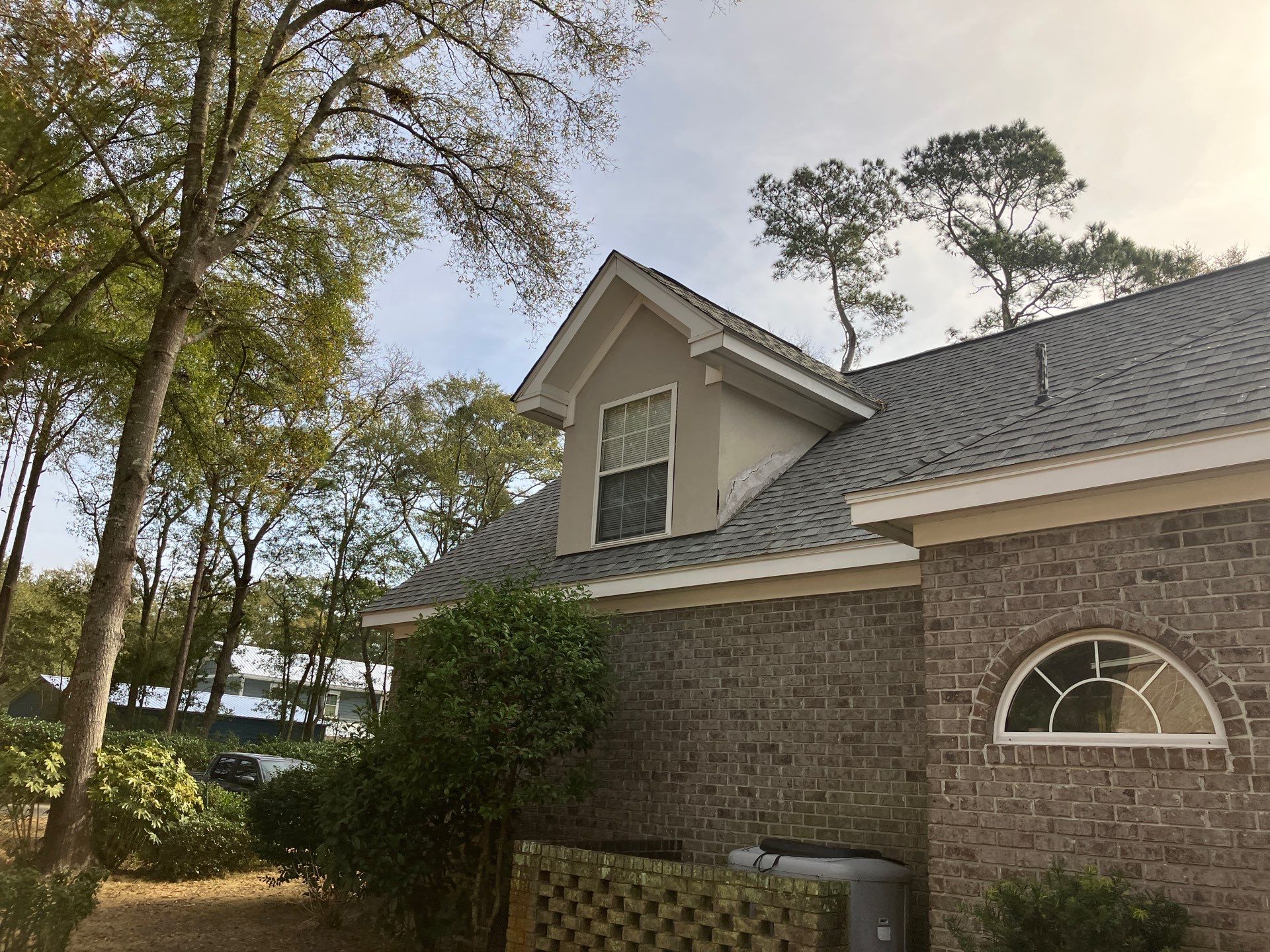
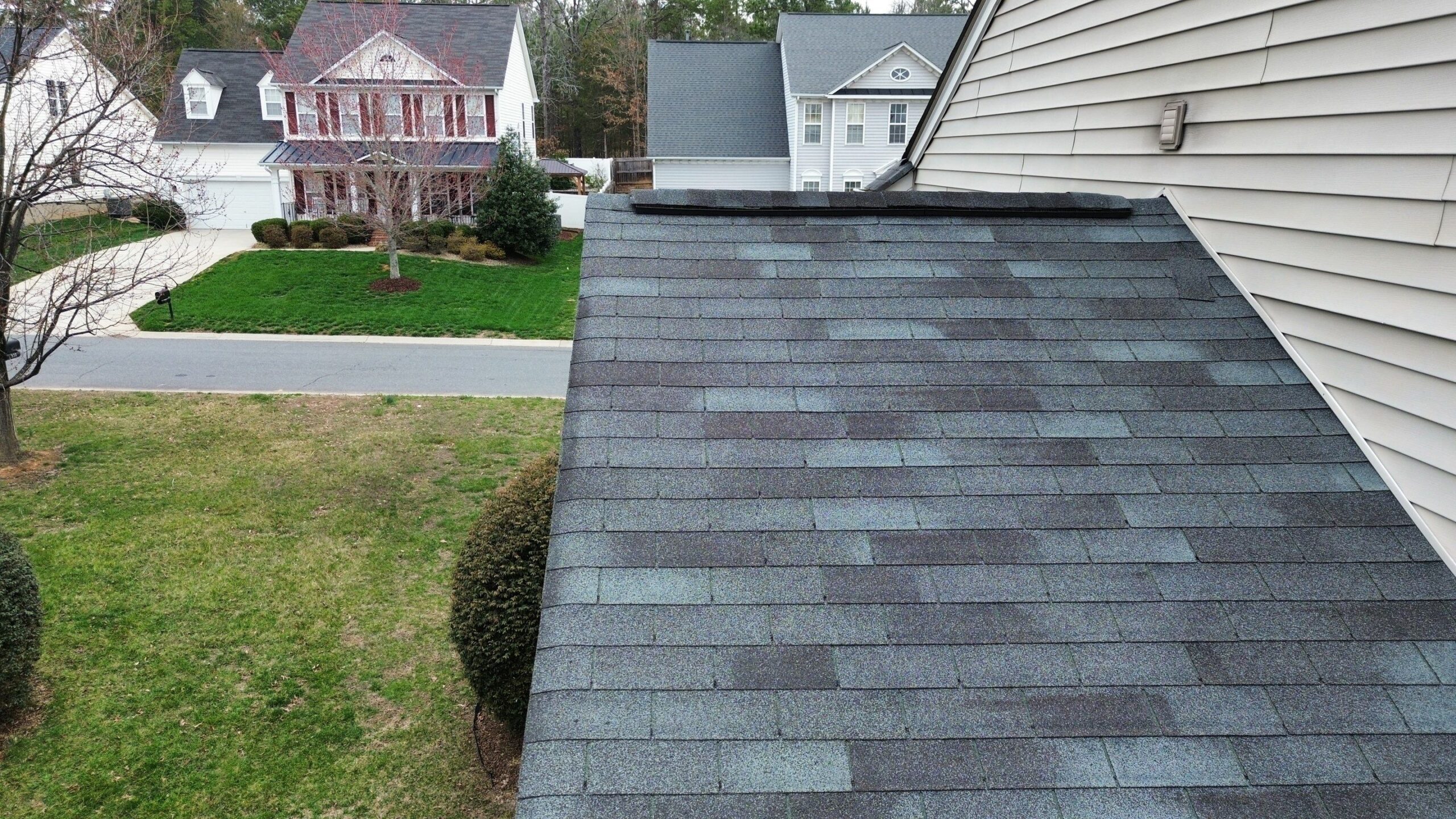
Storm damage is not always obvious from the ground. Even minor issues can develop into major problems over time.
Common types of storm damage include:
- Missing or lifted shingles caused by strong winds
- Impact damage from hail or debris
- Water intrusion from heavy rain
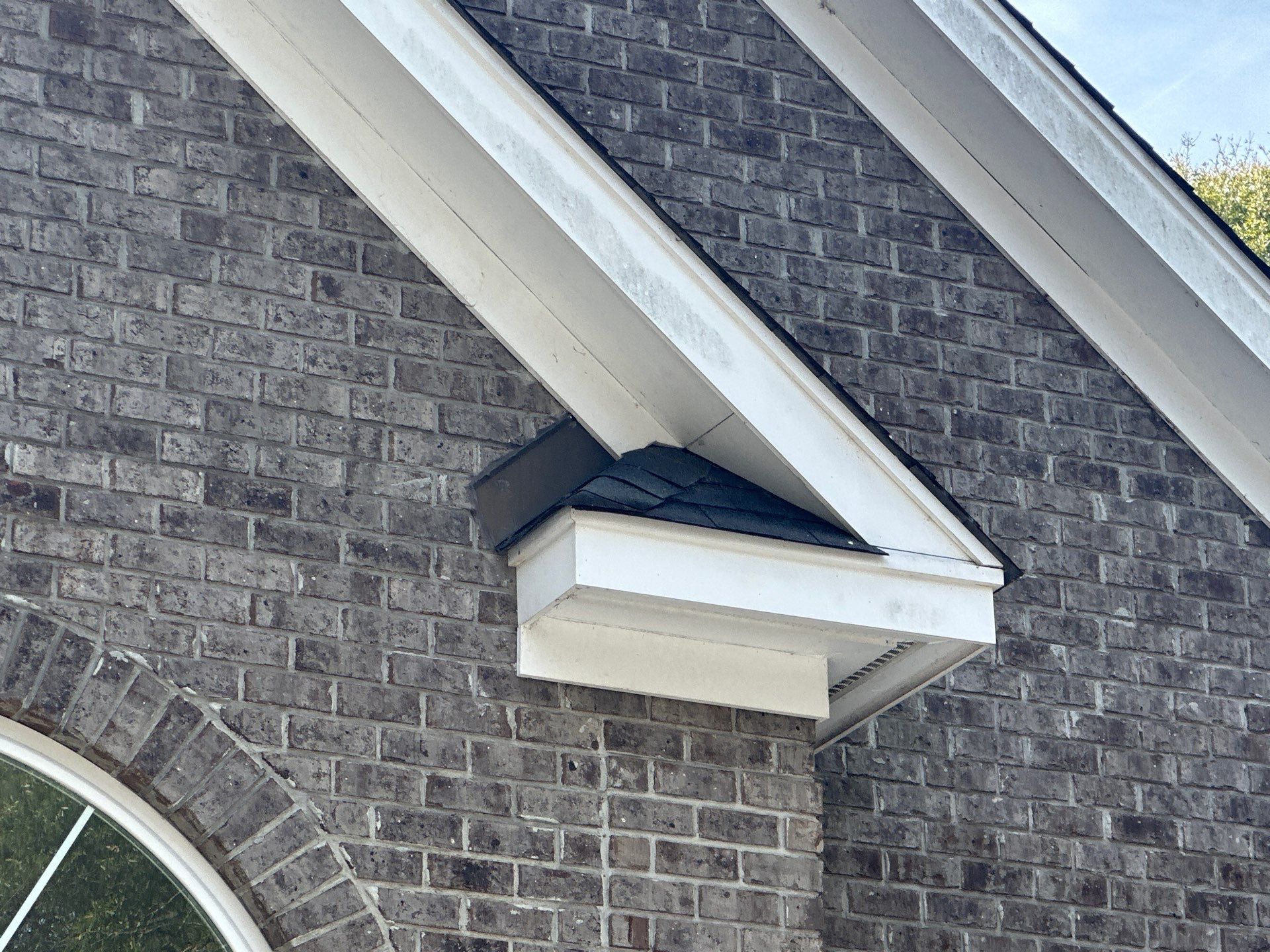
- Flashing damage around vents and edges
- Debris buildup that blocks proper drainage
These issues can compromise the integrity of your roof and allow moisture to enter your home.
Signs of Storm Damage You Should Look For
After a storm passes, it is important to check for visible signs of damage.
Homeowners should look for:
- Shingles that are missing, cracked, or out of place
- Debris on the roof or in gutters
- Water stains on ceilings or walls
- Leaks during or after rainfall
- Pieces of roofing material around your property
Even if damage seems minor, it is important to have your roof inspected.
Why Storm Damage Should Not Be Ignored
Ignoring storm damage can lead to more serious issues over time.
Small problems can quickly turn into:
- Major roof leaks
- Mold growth inside your home
- Damage to insulation and structure
- Higher repair or replacement costs
Addressing storm damage early helps protect your home and avoid more expensive repairs.
What to Do After a Storm
If your home has been affected by a storm, taking the right steps can help prevent further damage.
- Perform a visual inspection from the ground
- Check for interior signs such as water stains
- Avoid climbing onto the roof yourself
- Schedule a professional roof inspection
- Document any visible damage for insurance purposes
Acting quickly can make a big difference in protecting your home.
Storm Damage and Insurance Claims
In many cases, storm damage may be covered by your homeowner’s insurance policy.
The process typically involves:
- Scheduling a professional inspection
- Documenting the damage
- Filing a claim with your insurance provider
- Working with adjusters to assess the damage
Having a roofing professional involved can help ensure the damage is properly identified and documented.
Repair or Replace After Storm Damage
Not all storm damage requires a full roof replacement. The best solution depends on the extent of the damage.
Repairs may be sufficient if:
- Damage is limited to a small area
- The roof is relatively new
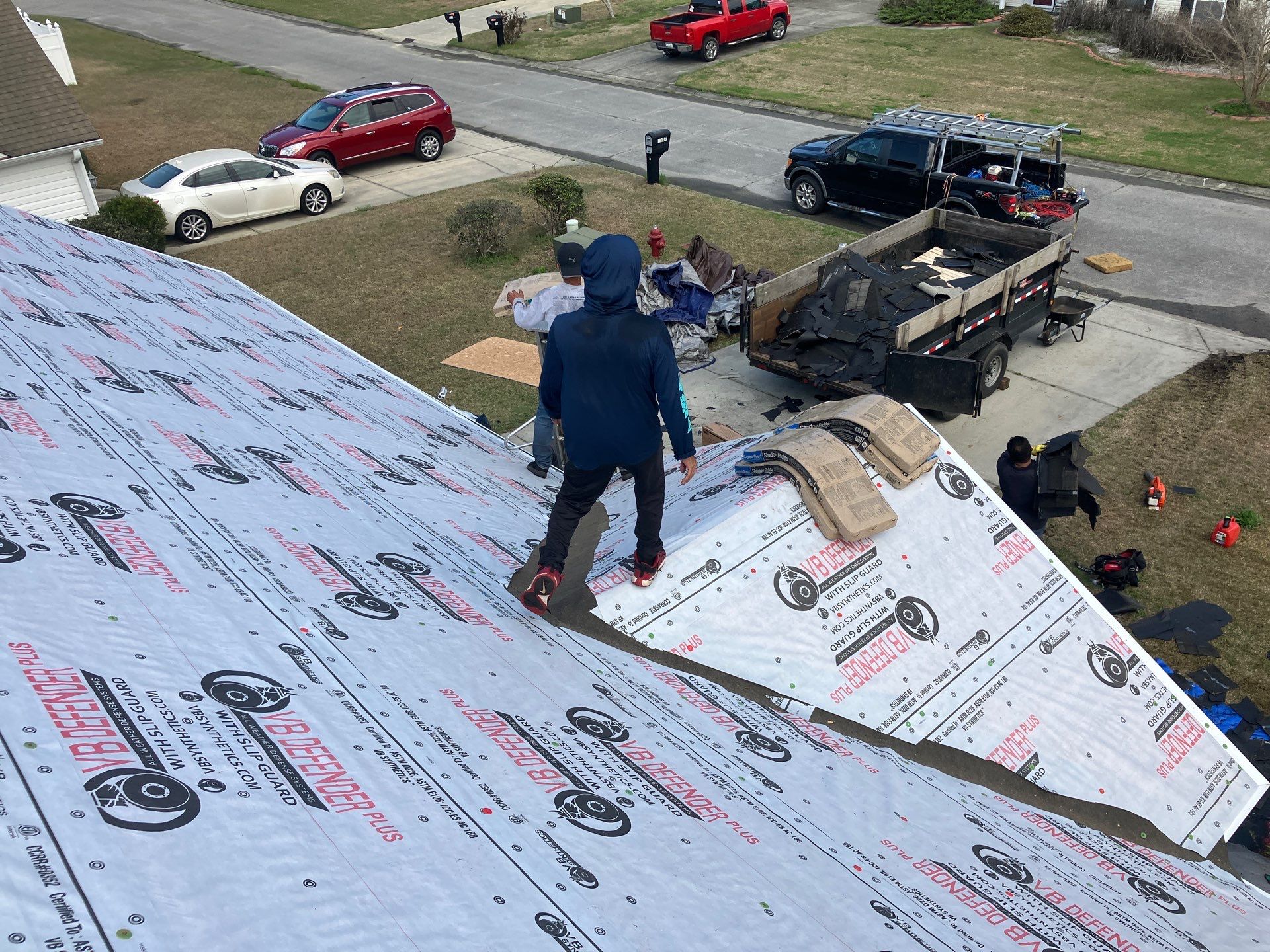
Replacement may be necessary if:
- Damage is widespread
- The roof has multiple issues
- The structure has been compromised
A professional inspection will determine the right approach.
Protecting Your Roof from Future Storms
While storms cannot be prevented, there are steps you can take to reduce the risk of damage.
- Schedule regular roof inspections
- Replace aging roofing materials
- Keep gutters clean and functional
- Address small issues before they worsen
- Choose durable and impact resistant materials
Proactive maintenance helps your roof perform better during severe weather.
Work With a Trusted Roofing Professional
After a storm, working with an experienced roofing contractor is essential.
At SouthTown Roofing, we help homeowners across Gastonia, Belmont, Mount Holly, Fort Mill, Lake Norman, and Charlotte identify storm damage and provide reliable repair or replacement solutions.
Our team focuses on protecting your home and restoring your roof as quickly as possible.